Category: Technology

Digital Gaming Hub Localization Strategies for Diverse Global AudiencesDigital Gaming Hub Localization Strategies for Diverse Global Audiences

The global gaming industry has expanded at an unprecedented rate, attracting players from diverse cultural, linguistic, and geographic backgrounds. To meet the needs of this growing audience, digital gaming hubs have adopted localization strategies that go beyond simple translation. By tailoring koplo77 , features, and experiences to specific regions, these hubs ensure accessibility, engagement, and cultural relevance, ultimately enhancing player satisfaction and loyalty worldwide.

Understanding Localization in Gaming Hubs

Localization is the process of adapting a digital platform to meet the linguistic, cultural, and legal requirements of different regions. For gaming hubs, this involves translating menus, dialogues, and instructions into multiple languages, as well as adjusting in-game content, graphics, and events to align with local customs and preferences. Effective localization ensures that players feel comfortable and engaged, regardless of their native language or cultural background.

Digital gaming hubs that prioritize localization recognize that cultural context significantly impacts player behavior. A joke, reference, or gameplay mechanic that resonates in one region may be confusing or offensive in another. By tailoring the gaming experience to specific audiences, hubs reduce friction, increase player satisfaction, and foster long-term engagement.

Language Translation and Cultural Adaptation

The most visible aspect of localization is language translation. Menus, tutorials, in-game text, and social features must be accurately translated to convey meaning without losing nuance. However, translation alone is insufficient. Cultural adaptation ensures that references, character designs, and storylines resonate with regional audiences.

For example, a holiday event in one country may not be relevant in another. A digital hub might replace a Halloween-themed event with a local festival celebration to create meaningful engagement. Similarly, imagery and symbols may be adapted to avoid cultural misinterpretation while maintaining the game’s core identity.

Regional Pricing and Monetization Strategies

Localization extends to pricing models and monetization strategies. Players’ willingness to pay for games, subscriptions, or in-game purchases varies widely across regions due to economic factors and cultural attitudes toward spending. Digital gaming hubs implement region-specific pricing, promotional offers, and currency options to make purchases accessible and appealing to local players.

Subscription models may be tailored to local consumption patterns, while free-to-play hubs often offer in-game rewards aligned with regional preferences. By optimizing pricing and monetization strategies, hubs can attract and retain players while respecting local economic realities.

Localized Content and Events

Localized content and events play a critical role in enhancing engagement. Hubs often introduce region-specific missions, challenges, and seasonal events that reflect local culture and interests. These events provide unique rewards, promote social interaction, and encourage players to participate in community activities that feel relevant and personal.

For competitive players, localized tournaments and leaderboards create a sense of belonging within the global community while celebrating regional identity. Casual players benefit from culturally tailored content that feels familiar and engaging, increasing their likelihood of regular participation.

Supporting Multiple Platforms and Devices

Effective localization also considers the technological landscape of different regions. Device availability, internet connectivity, and platform preferences vary across markets. Digital gaming hubs optimize performance for mobile devices, consoles, and PCs based on regional usage patterns. In regions with limited high-speed internet, cloud-based solutions or lightweight game versions can make gaming more accessible and enjoyable.

Platform optimization ensures that players have a seamless experience regardless of hardware or network constraints, reinforcing engagement and loyalty.

Community Management and Regional Support

Localization extends to community management and customer support. Players expect communication in their native language, whether through forums, chat systems, or help desks. Digital gaming hubs provide localized support teams to handle inquiries, resolve technical issues, and moderate social interactions in culturally appropriate ways.

Community events, forums, and social channels are also localized to reflect regional interests, fostering interaction and collaboration among players with shared cultural backgrounds. This approach strengthens the sense of community while supporting diverse global audiences.

Challenges and Best Practices

While localization offers significant benefits, it also presents challenges. Maintaining consistency across multiple regions, managing translation quality, and balancing global branding with local relevance require careful planning. Best practices include ongoing market research, collaboration with local experts, and regular updates to reflect cultural shifts and player feedback.

Digital gaming hubs that succeed in localization demonstrate flexibility, cultural awareness, and responsiveness. They treat localization as an ongoing process rather than a one-time task, continuously refining their approach to meet the evolving needs of diverse audiences.

Conclusion

Digital gaming hub localization strategies are essential for reaching and retaining diverse global audiences. By combining language translation, cultural adaptation, regional pricing, localized content, platform optimization, and community support, hubs create meaningful, engaging, and inclusive experiences for players worldwide. Effective localization not only enhances player satisfaction but also drives long-term retention and strengthens global brand presence. In an increasingly connected gaming industry, the ability to adapt to local needs while maintaining a cohesive platform is key to success in the global market.

How does ai consulting and services map workflows?How does ai consulting and services map workflows?

Understanding how work actually moves through a business is one of the first steps toward successful automation. A workflow may look simple from the outside, but it often contains approvals, manual checks, software handoffs, exceptions, and decisions that are easy to miss.  ai consulting and services can help businesses examine these activities in a structured way and turn them into a clear workflow map.
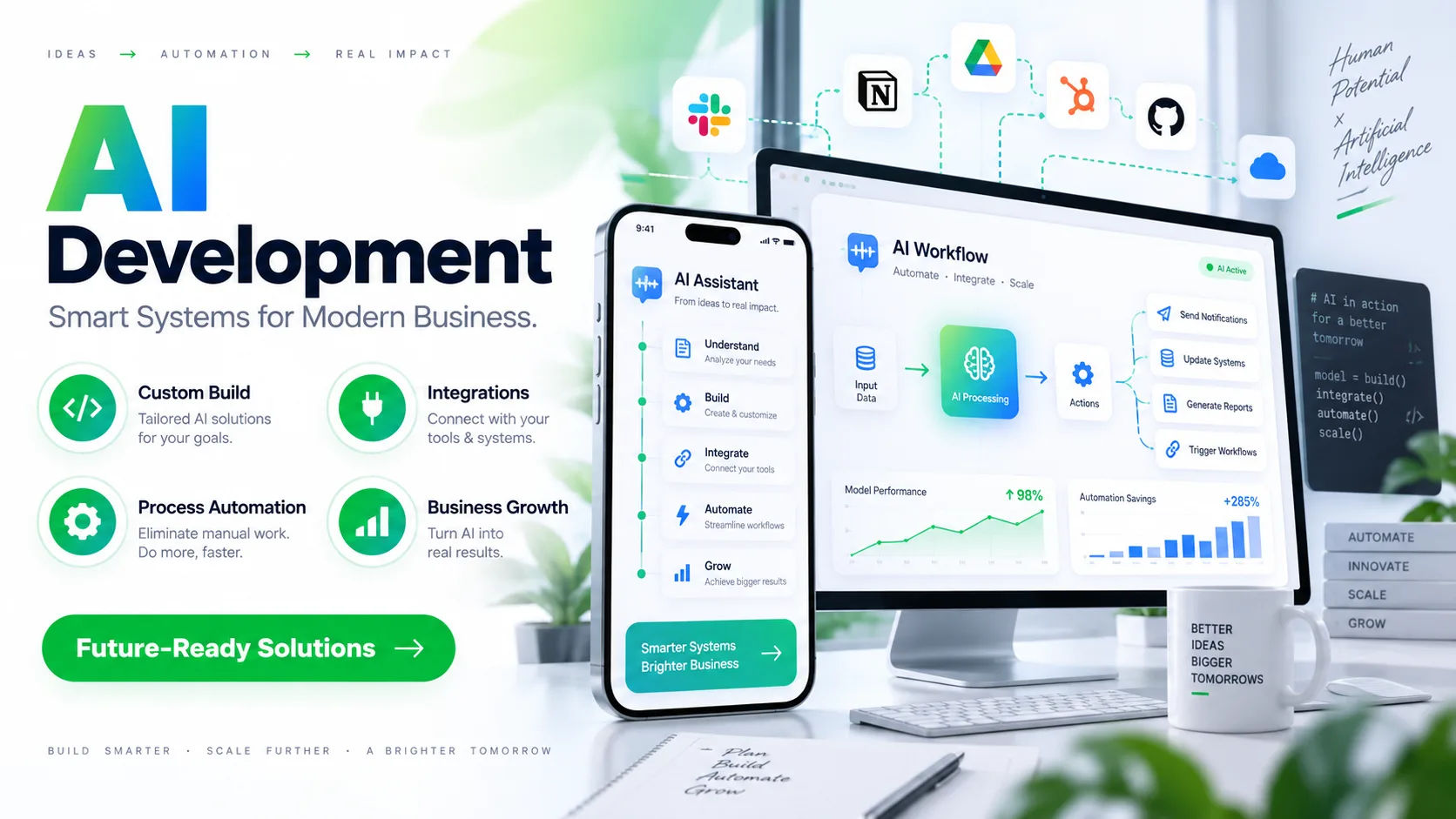
The goal is not simply to draw boxes and arrows. A useful workflow map should show what happens, who is responsible, what information is required, which systems are involved, and where delays or errors occur. This gives a business a practical picture of its current operations before changes are made.

Workflow mapping is especially important when a company wants to introduce artificial intelligence, automation, or new software. Without understanding the existing process, it is difficult to know what should be automated, what should remain under human control, and where technology can create the most value.

What Is Workflow Mapping?

Workflow mapping is the process of documenting how a task moves from its starting point to its completed outcome. It breaks a business process into individual steps and shows how those steps connect.

For example, consider a customer support process. A customer sends an email, the message enters a shared inbox, an employee reads it, the issue is categorized, information is collected, the request is assigned, and a response is prepared.

That may sound straightforward. In practice, several additional steps may exist.

An employee might check a CRM record before responding. Certain requests may require approval from a manager. Urgent cases may follow a different path. Missing information may cause the request to be sent back to the customer.

A workflow map makes these details visible.

Why Workflow Mapping Matters for AI Projects

AI systems work within business processes. They do not operate in isolation.

If an organization wants AI to classify documents, for example, it needs to understand where documents arrive, what formats they use, who reviews them, where extracted information is stored, and what happens when the system is uncertain.

This is why workflow mapping is often an early stage of an AI project.

A business may initially believe that a process needs an AI model. After mapping the workflow, it may discover that the main problem is actually duplicated data entry or a poorly connected software system.

In another case, mapping may reveal that AI is useful for one specific stage while human employees should continue handling exceptions.

The map therefore helps separate real opportunities from unnecessary automation.

How AI Consulting and Services Begin the Mapping Process

Defining the Business Process

The first step is identifying the process that needs to be examined.

A consultant may start with a broad process such as customer onboarding, invoice processing, employee recruitment, sales follow-up, or claims management.

The process is then given clear boundaries.

For example, an onboarding workflow might begin when a customer signs a contract and end when the customer has received access to the required services.

Defining these boundaries prevents the mapping exercise from becoming too broad.

Talking to the People Who Perform the Work

Written procedures do not always describe what happens in reality.

Employees often develop practical workarounds because official processes do not cover every situation. Someone may maintain a spreadsheet that is not included in the formal documentation. Another employee may manually check information because the existing software is unreliable.

Good workflow mapping accounts for these differences.

Consultants may interview employees, managers, process owners, and technical teams to understand how work moves between people and systems.

These conversations can reveal important details that are missing from standard operating procedures.

Collecting Existing Documentation

Existing documents can provide another layer of information.

These may include process manuals, standard operating procedures, training documents, forms, system documentation, approval policies, and reports.

The purpose is not to assume that these documents perfectly describe the workflow. Instead, they provide a starting point that can be compared with how employees actually perform the work.

This comparison can reveal gaps between the intended process and the real process.

Identifying Every Step in the Workflow

Once the process is understood, each activity can be documented.

A basic workflow might contain steps such as:

Customer submits information.

System receives the information.

Employee checks the submission.

Data is entered into a CRM.

Manager reviews the request.

Request is approved or rejected.

Customer receives an update.

However, detailed mapping goes further.

It asks what information is needed at each stage, which system is used, how long the step usually takes, and what happens when something goes wrong.

This level of detail matters because automation depends on precise inputs and outputs.

Mapping People, Systems, and Data

A workflow is not only a sequence of tasks. It is also a movement of information.

Consultants typically examine which people interact with each stage and which software systems are involved.

For instance, a sales workflow might involve a website form, CRM, email platform, customer database, payment system, and internal reporting tool.

If employees repeatedly copy information from one system to another, the workflow map should make that visible.

Data movement is particularly important for AI projects because AI tools often depend on information coming from multiple sources.

A workflow map can show where data originates, where it is transformed, where it is stored, and where it is ultimately used.

Finding Decision Points

Many business workflows contain decisions.

A request might be approved if certain conditions are met. A document might be routed to a specialist when it contains a particular clause. A customer might be assigned to a different team based on location or account type.

These decision points are important because they determine how the workflow branches.

AI consulting and services can examine these decisions to determine whether they are rule-based, judgment-based, or a mixture of both.

Simple rules may be handled through traditional automation.

More complex classification or prediction tasks may be candidates for AI.

Human judgment may remain necessary when the decision has significant financial, legal, customer, or operational consequences.

Mapping Exceptions and Edge Cases

One of the most valuable parts of workflow mapping is documenting exceptions.

The normal workflow describes what happens when everything goes correctly. Real businesses rarely operate under perfect conditions.

A customer may provide incomplete information. A document may be unreadable. A payment may fail. A software integration may stop working. A manager may reject a request.

Each situation can create a different path.

If these exceptions are ignored, an automated workflow may work well under normal conditions but fail when something unusual happens.

Consultants therefore ask questions such as what happens when information is missing, who handles unusual requests, when a process returns to an earlier stage, and when human intervention is required.

Measuring Time and Bottlenecks

Workflow mapping can also identify where time is being lost.

A process may contain ten steps, but only two may cause most of the delay.

For example, collecting information might take five minutes, while waiting for an approval could take two days.

Automating the five-minute task may have less operational impact than improving the approval stage.

This is why workflow mapping should consider both the number of steps and the time associated with them.

Other useful measurements include error rates, processing volumes, rework, waiting time, manual touches, and the number of employees involved.

Distinguishing Manual Work From Automated Work

Another purpose of mapping is to show which activities are already automated and which remain manual.

A business might have an automated customer form but still require an employee to copy the submitted data into another system.

It might automatically generate an invoice but require a staff member to check every invoice before sending it.

These gaps can reveal opportunities for improvement.

AI consulting and services can use the workflow map to examine whether an existing automation should be expanded, redesigned, or replaced.

Creating a Current-State Workflow

A current-state workflow describes how the business operates today.

This is sometimes called an "as-is" process.

The current-state map should represent reality rather than an idealized version of the process.

That distinction matters.

If a company documents only its official procedure, it may overlook manual workarounds, duplicate processes, spreadsheets, emails, and unofficial approval steps.

A realistic current-state map creates a reliable foundation for improvement.

Designing the Future-State Workflow

After understanding the current process, the next step is considering how it could work in the future.

This future-state workflow may introduce automation, AI, better system integrations, or redesigned responsibilities.

For example, an invoice workflow could be redesigned so that documents are automatically received, classified, extracted, validated, and routed.

However, exceptions could still be sent to an employee for review.

This approach does not attempt to remove people from every stage. Instead, it places human attention where it is most useful.

How AI Fits Into the Workflow Map

AI can support different parts of a workflow depending on the business problem.

It may classify incoming requests, summarize documents, extract information, detect patterns, draft responses, identify unusual transactions, or help employees make decisions.

The workflow map helps determine where these capabilities belong.

For example, an AI system may classify customer emails before they reach an employee. Another system may extract invoice information before the data enters an accounting platform.

The important point is that AI should serve a defined process.

Adding AI simply because it is available does not automatically improve the workflow.

Connecting Workflow Mapping With Business Systems

Modern workflows often cross multiple platforms.

A single process may involve CRM software, accounting software, communication tools, databases, cloud storage, and internal applications.

Mapping these connections helps identify integration requirements.

A consultant may document which system sends information, which system receives it, what format is used, and whether the transfer is automatic or manual.

This information is useful when designing APIs, integrations, automation rules, or AI applications.

It can also expose older systems that may need special handling.

Using Workflow Maps to Identify Automation Opportunities

Not every task should be automated.

A strong workflow assessment considers factors such as task frequency, consistency, volume, complexity, error rates, and business impact.

Highly repetitive tasks with clear rules are often easier to automate.

Tasks requiring nuanced judgment may require human involvement.

AI can be particularly useful when a workflow involves large amounts of unstructured information, such as emails, documents, customer messages, or text records.

The workflow map provides the context needed to make these distinctions.

Validating the Workflow Map

A workflow map should be reviewed by the people who understand the process.

Employees can confirm whether the documented workflow reflects what actually happens.

Managers can check whether the map reflects business policies.

Technical teams can verify system connections and data movement.

This review stage can uncover missing steps or inaccurate assumptions.

It is much cheaper to correct an incorrect workflow map before automation is built than after software has already been deployed.

Common Problems in Workflow Mapping

Mapping Only the Ideal Process

One common mistake is documenting what should happen rather than what actually happens.

The difference may seem small, but it can completely change the automation design.

Ignoring Exceptions

Another problem is focusing only on successful transactions.

Exception handling should be part of the workflow from the beginning.

Overlooking Data Quality

Poor data can affect every stage of a process.

If information is incomplete, duplicated, outdated, or inconsistent, automation may simply move those problems faster.

Treating Every Manual Task as a Problem

Manual work is not automatically inefficient.

Some tasks require human judgment, empathy, negotiation, or accountability.

The purpose of mapping is to understand the process, not to eliminate people from it.

What a Good Workflow Map Should Show

A useful workflow map should make several things easy to understand.

It should show where the process begins and ends, what activities occur in between, who performs each task, which systems are involved, what information moves between steps, where decisions occur, and what happens when exceptions arise.

It should also make bottlenecks and repetitive work visible.

The exact format can vary. Some businesses use flowcharts, process diagrams, swimlane diagrams, process documentation, or specialized workflow software.

The format matters less than whether the map accurately represents the process.

Benefits of Using AI Consulting and Services for Workflow Mapping

Professional workflow analysis can provide structure when internal teams are too busy to document their processes thoroughly.

It can also bring technical and operational perspectives together.

Business employees understand how the work is performed. Technical specialists understand systems and integrations. AI specialists understand where machine learning or generative AI may fit.

Combining these perspectives can produce a more complete workflow model.

The resulting map can also become useful documentation for training, process improvement, compliance, software development, and future automation projects.

Questions to Ask Before Automating a Workflow

Before implementing an automated or AI-supported process, businesses should understand several basic issues.

What triggers the workflow?

What information enters the process?

Which steps are repetitive?

Which decisions follow clear rules?

Which decisions require human judgment?

Where do delays occur?

Where do errors occur?

Which systems need to communicate?

What happens when information is missing?

Who handles exceptions?

How will performance be measured?

These questions help turn a general automation idea into a practical process design.

Conclusion

Workflow mapping provides a clear view of how work actually moves through an organization. It connects people, tasks, information, software, decisions, and exceptions into one understandable picture.

The value of ai consulting and services in this process comes from combining business-process analysis with technical and AI knowledge. Rather than immediately introducing a new tool, consultants can first examine the existing workflow and identify where technology may genuinely help.

A strong mapping process begins with the current state. It documents real activities, not just official procedures. It identifies data sources, system connections, decision points, bottlenecks, and exceptions. From there, a future-state workflow can be designed around practical improvements.

This approach also helps businesses avoid a common automation mistake: automating a poorly designed process without understanding why it works the way it does.

The final workflow may include AI, traditional automation, system integration, or continued human involvement. In many cases, the most effective design combines all of them.

The key is understanding the process first. Once a business knows how work moves, where information gets stuck, where employees spend unnecessary time, and where decisions occur, it has a much stronger foundation for building reliable automation and AI solutions.

A workflow map is therefore more than a diagram. It is a practical representation of how a business operates and a starting point for making that operation more efficient, measurable, and easier to improve.

Exploring the Future of AI Girlfriend Chat Transforming Virtual CompanionshipExploring the Future of AI Girlfriend Chat Transforming Virtual Companionship

Introduction: The Rise of AI Girlfriend Chat Experiences

In recent years, artificial intelligence has revolutionized how humans interact with digital entities, giving rise to the phenomenon of AI girlfriend chat applications. AI Girlfriend chat These virtual companions are more than just chatbots; they are designed to simulate emotional connections, providing users with personalized, engaging, and sometimes surprisingly human-like conversations. As technology advances, the appeal of AI girlfriends continues to grow, driven by the desire for companionship, entertainment, and even emotional support in a digital age.

Understanding AI Girlfriend Chat: What It Is and How It Works

Defining AI Girlfriend Chat

AI girlfriend chat refers to sophisticated conversational AI systems that are programmed to emulate romantic or friendly interactions with users. These systems are often embedded within mobile apps or online platforms, allowing users to engage in ongoing dialogues that adapt to their preferences and emotional cues. Unlike traditional chatbots, AI girlfriends are designed to foster a sense of intimacy and understanding, making interactions feel more personal and meaningful.

Core Technologies Behind AI Girlfriend Chat

The backbone of these experiences lies in advanced natural language processing (NLP) and machine learning algorithms. These technologies enable AI systems to understand context, interpret emotional nuances, and generate responses that align with the user’s personality and conversation history. Some platforms incorporate voice recognition and even visual customization, allowing users to design their ideal virtual partner in appearance and personality traits.

The Appeal and Benefits of AI Girlfriend Chat

Personalized Companionship

One of the primary attractions of AI girlfriend chat is the ability to create a personalized companion. Users can tailor their AI partner’s personality, appearance, and conversational style, fostering a bond that feels uniquely theirs. This customization helps users feel understood and valued, aspects often lacking in traditional social interactions.

Emotional Support and Stress Relief

Many users turn to AI girlfriends for comfort during stressful times or feelings of loneliness. These virtual entities can provide empathetic conversations and reassurance without judgment or fatigue. While they are not replacements for human relationships, AI girlfriends can serve as a supportive presence, especially in moments of emotional vulnerability.

Entertainment and Novelty

Beyond companionship, AI girlfriend chat applications offer entertainment through playful interactions, role-playing scenarios, or even flirtatious exchanges. The novelty of engaging with a responsive virtual partner appeals to tech enthusiasts and those curious about AI capabilities, making these experiences both fun and fascinating.

Challenges and Ethical Considerations

Limitations of AI Emulation

Despite impressive advancements, AI girlfriends still lack genuine consciousness and emotional depth. They operate based on algorithms and data patterns, which can sometimes lead to misunderstandings or superficial interactions. Users must recognize these limitations and avoid conflating AI responses with real human emotions.

Potential for Dependency

Over-reliance on AI girlfriends could lead to emotional dependency or social withdrawal, particularly if users substitute virtual interactions for real-world relationships. Developers and users alike need to approach these applications responsibly, maintaining a healthy balance between virtual companionship and human connection.

Privacy and Data Security

As with any digital platform, privacy concerns are paramount. Personal conversations with AI girlfriends often involve sensitive data, making it crucial for platforms to implement robust security measures and transparent data policies to protect user information.

The Future of AI Girlfriend Chat: Trends and Predictions

Enhanced Realism and Emotional Intelligence

Future iterations of AI girlfriend chat systems are expected to feature even more realistic interactions, with improved emotional recognition and adaptive learning capabilities. This will enable virtual partners to respond more authentically to user moods, gestures, and speech patterns, blurring the lines between digital and human interactions.

Integration of Multimodal Communication

Beyond text, upcoming AI systems may incorporate voice, video, and even augmented reality elements, creating immersive experiences. Imagine engaging in a lifelike conversation with your AI girlfriend through virtual reality, further enriching the sense of presence and intimacy.

Expanding Personalization and Customization

As AI technology becomes more sophisticated, users will have greater control over their virtual partner’s appearance, personality traits, and behavioral patterns. This level of customization will allow for truly unique and emotionally resonant relationships tailored to individual preferences.

Conclusion: Embracing the New Era of Virtual Companions

The development of AI girlfriend chat applications marks a significant milestone in human-computer interaction. While these virtual companions are not a substitute for real-world relationships, they offer a compelling blend of companionship, entertainment, and emotional support that resonates with many users. As technology continues to evolve, the line between artificial and authentic will become increasingly blurred, opening new possibilities for personalized virtual relationships. Responsible use and ethical considerations will be vital in ensuring these innovations benefit users while safeguarding their privacy and emotional well-being.


Exploring the Rise of AI Sexting in 2026 A New Era of Digital IntimacyExploring the Rise of AI Sexting in 2026 A New Era of Digital Intimacy

The Evolution of Digital Intimacy: Understanding AI Sexting in 2026

In recent years, the landscape of digital communication has undergone a profound transformation, especially in the realm of intimate interactions. ai sexting Among the most intriguing developments is AI sexting — a phenomenon that has gained significant popularity in 2026. This advancement reflects not only technological innovation but also shifting societal attitudes towards digital intimacy, personal privacy, and human connection. As AI sexting tools become more sophisticated, users are exploring new ways to fulfill emotional and physical desires safely and privately.

What Is AI Sexting and How Has It Evolved?

Defining AI Sexting

AI sexting refers to engaging in sexually explicit conversations with artificial intelligence chatbots or virtual characters designed to simulate human-like interactions. Unlike traditional messaging or dating platforms, AI sexting utilizes advanced natural language processing (NLP) and machine learning algorithms to create personalized, responsive, and often highly realistic conversations. These AI companions can simulate flirtation, intimacy, and even emotional support, offering a new dimension of digital intimacy.

The Evolution Over the Years

Initially, AI chatbots were primarily designed for entertainment or customer service. However, as technology advanced, developers began integrating more complex emotional and behavioral models, leading to the emergence of AI sexting platforms. By 2026, the market has expanded dramatically, with numerous apps and websites dedicated solely to providing uncensored, intimate interactions. Market research indicates a growing demand for such services, driven by desires for privacy, accessibility, and tailored experiences that traditional human interactions may not always fulfill.

The Popularity and Market Leaders in AI Sexting

Key Platforms and Features

Several platforms have emerged as leaders in AI sexting, each offering unique features to cater to diverse user preferences. For example, CrushOn AI provides NSFW character chats without filters, allowing users to indulge in unrestricted interactions. Similarly, AI sex chat apps like Nastia emphasize free, uncensored dirty talk and intimate conversations. These platforms often include customizable characters, image generation, and even video interactions, creating a comprehensive digital sexting experience.

Market Trends and User Preferences

Recent market research highlights that users are seeking more personalized and realistic AI companions. Features such as emotional responsiveness, visual content creation, and the ability to simulate different scenarios are highly valued. The trend towards unlimited sexting options, where users can explore virtual relationships, erotic storytelling, or virtual girlfriend experiences, demonstrates a shift towards more immersive and versatile AI sexting experiences. As the technology continues to evolve, user preferences are steering the market towards even more sophisticated and lifelike AI interactions.

The Benefits and Ethical Considerations of AI Sexting

Advantages for Users

AI sexting offers several benefits, including privacy, accessibility, and a safe environment to explore desires without judgment. It provides an outlet for individuals who may feel hesitant or unable to pursue intimate relationships in real life. Additionally, AI companions are available 24/7, allowing users to engage whenever they wish, fostering a sense of companionship and emotional fulfillment in a discreet manner.

Ethical and Societal Challenges

Despite its advantages, AI sexting raises important ethical questions. Concerns about consent, objectification, and the potential for addiction are prevalent. Critics argue that reliance on AI for intimacy could impact real-world relationships or perpetuate unhealthy perceptions of sexuality. Furthermore, privacy issues surrounding data security and the potential misuse of personal information remain critical points of debate. As AI sexting becomes more mainstream, it is essential for developers and society to address these ethical challenges responsibly.

The Future of AI Sexting: Opportunities and Challenges

Technological Innovations on the Horizon

Looking ahead, the future of AI sexting is poised for exciting innovations. Advances in AI will likely lead to even more realistic and emotionally intelligent companions, capable of understanding nuanced human feelings and behaviors. Virtual reality (VR) integration may also allow for immersive experiences, blurring the lines between digital and physical intimacy. These developments could redefine how individuals explore sexuality and companionship in the digital age.

Balancing Innovation with Responsibility

However, with great technological power comes great responsibility. Stakeholders must prioritize ethical considerations, including user safety, consent, and data privacy. Regulation and guidelines will play a crucial role in ensuring that AI sexting platforms promote healthy, consensual, and respectful interactions. As society navigates this new frontier, fostering open dialogue about the implications of AI in intimacy will be vital to harness its benefits while minimizing potential harms.

Conclusion: Embracing a New Digital Era of Intimacy

AI sexting in 2026 exemplifies how technology continues to reshape human experiences and relationships. It offers unprecedented opportunities for safe, private, and personalized intimacy, catering to a diverse array of desires and needs. While ethical and societal challenges must be addressed, the ongoing evolution of AI companions promises a future where digital intimacy becomes an integral part of human life. As individuals and societies adapt to these changes, understanding and responsible innovation will be key to fostering a healthy and respectful digital environment for all.


Can You Get a Free Virtual Phone Number?Can You Get a Free Virtual Phone Number?

In today’s digital world, communication has evolved far beyond traditional SIM cards and landlines. Many people now rely on internet-based calling solutions to manage business, protect privacy, or communicate internationally. One of the most popular options is a virtual phone number. But the big question is: can you really get a free virtual phone number? The answer is yes—but with certain limitations.

This article explores what a virtual phone number is, how free options work, their benefits and risks, and whether a free solution is right for you.

What Is a Virtual Phone Number?

A virtual phone number is a telephone number that operates over the internet instead of being tied to a specific physical phone line or SIM card. It allows users to make and receive calls and messages through apps, web platforms, or VoIP services.

Unlike traditional numbers, a virtual phone number is not locked to one device or location. You can use it on your smartphone, laptop, tablet, or desktop as long as you have internet access. This flexibility makes it highly attractive for freelancers, online businesses, remote workers, and people who want additional privacy.

Can You Actually Get a Free Virtual Phone Number?

Yes, you can get a free virtual phone number from certain apps and online services. However, free versions usually come with restrictions. These may include:

Limited call minutes

Limited SMS messages

Advertisements inside the app

Temporary usage

Restricted country selection

No customer support

Most providers offer a free trial or basic plan to attract users. After testing the service, you may need to upgrade to a paid plan to unlock advanced features.

How Do Free Virtual Phone Numbers Work?

Free virtual phone number services operate using Voice over Internet Protocol (VoIP) technology. Instead of routing calls through traditional telecom towers, they use internet servers to connect calls and messages.

Here’s how it typically works:

You download an app or sign up on a website

You select a country and sometimes an area code

The service assigns you a number

You use the app to send and receive calls and texts

Everything happens through the internet. That means you need Wi-Fi or mobile data to use the number.

Why Do People Want a Free Virtual Phone Number?

There are several reasons why people search for a virtual phone number without paying.

Privacy Protection

Many users want to keep their personal number private when signing up for websites, social media accounts, or online marketplaces. A virtual phone number acts as a buffer between your real identity and public platforms.

Online Business Use

Entrepreneurs and freelancers often use a separate number for business communication. It creates a professional image and helps organize work-related calls.

International Communication

Some people use a virtual phone number to get a number from another country. This is useful for businesses targeting international customers.

Temporary Verification

Users sometimes need a number for short-term verification purposes. A free option may be sufficient for this limited need.

Limitations of Free Virtual Phone Numbers

Although getting a free virtual phone number sounds appealing, there are important drawbacks you should consider.

Temporary Access

Many free numbers expire after a short time if you don’t use them regularly. Some are even recycled and assigned to another user later.

Shared Numbers

Some free services offer shared numbers. That means multiple users may have access to the same number for SMS verification. This can create security risks.

Blocked by Platforms

Major platforms sometimes detect and block free virtual phone number services. For example, some social media or banking websites may reject verification attempts from these numbers.

Limited Reliability

Free services may suffer from dropped calls, delayed SMS messages, or app crashes. Since you’re not paying, support and reliability may not be guaranteed.

Is It Safe to Use a Free Virtual Phone Number?

Safety depends on how and why you use it. For basic purposes like testing apps or signing up for non-sensitive websites, a free virtual phone number can be useful.

However, for important activities such as:

Banking

Financial transactions

Two-factor authentication

Business-critical communication

It is generally better to use a paid, secure, and reputable service. Free numbers may not provide the security, encryption, or stability needed for serious use.

Free vs Paid Virtual Phone Number

To help you decide, here’s a simple comparison.

Free Virtual Phone Number

No cost

Limited features

Possible ads

Temporary or shared access

Lower reliability

Paid Virtual Phone Number

Monthly or yearly fee

Dedicated number

Better call quality

Customer support

Advanced features like voicemail, call forwarding, and recording

If you need a long-term solution or professional communication tool, investing in a paid option may be worth it.

Who Should Use a Free Virtual Phone Number?

A free virtual phone number can be a good choice if:

You need a number temporarily

You want to test a service

You are experimenting with online tools

You need extra privacy for casual use

It may not be suitable if:

You run a serious business

You require secure authentication

You depend on stable communication

Understanding your purpose is key before choosing free or paid options.

How to Choose the Right Service

If you decide to try a free virtual phone number, consider the following factors:

Check user reviews

Read privacy policies

See if the number is dedicated or shared

Understand expiration rules

Test call and SMS reliability

Some services may offer a free trial that transitions into a paid subscription. Make sure you understand the billing structure before signing up.

Are Free Virtual Phone Numbers Legal?

Yes, virtual phone numbers are legal in most countries. They are commonly used for remote work, international business, and digital marketing.

However, using a virtual phone number for illegal activities such as fraud, spam, or impersonation is against the law. Always use these tools responsibly and ethically.

Final Thoughts

So, can you get a free virtual phone number? Absolutely. Many platforms provide free options that allow users to send texts and make calls using internet-based technology. For short-term or casual use, this can be a convenient and cost-effective solution.

However, free services come with limitations such as restricted features, shared access, reliability issues, and possible security risks. If you need a number for professional, long-term, or sensitive communication, a paid virtual phone number is often the better choice.

Before choosing any service, think about your needs. Are you looking for temporary privacy, business expansion, or international access? Your answer will determine whether a free solution is enough or if a paid plan is the smarter investment.

In the end, a virtual phone number—free or paid—offers flexibility and convenience in today’s connected world. The key is selecting the right option based on your goals, security requirements, and communication needs.